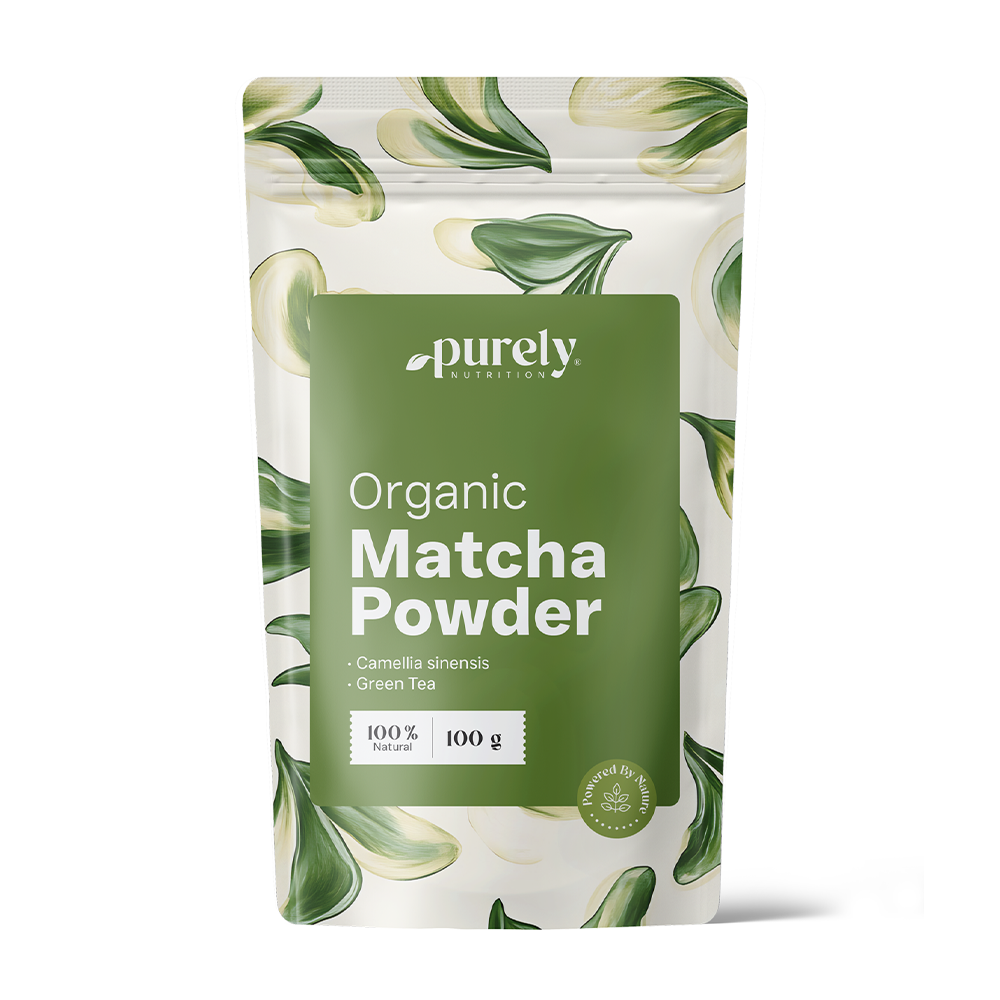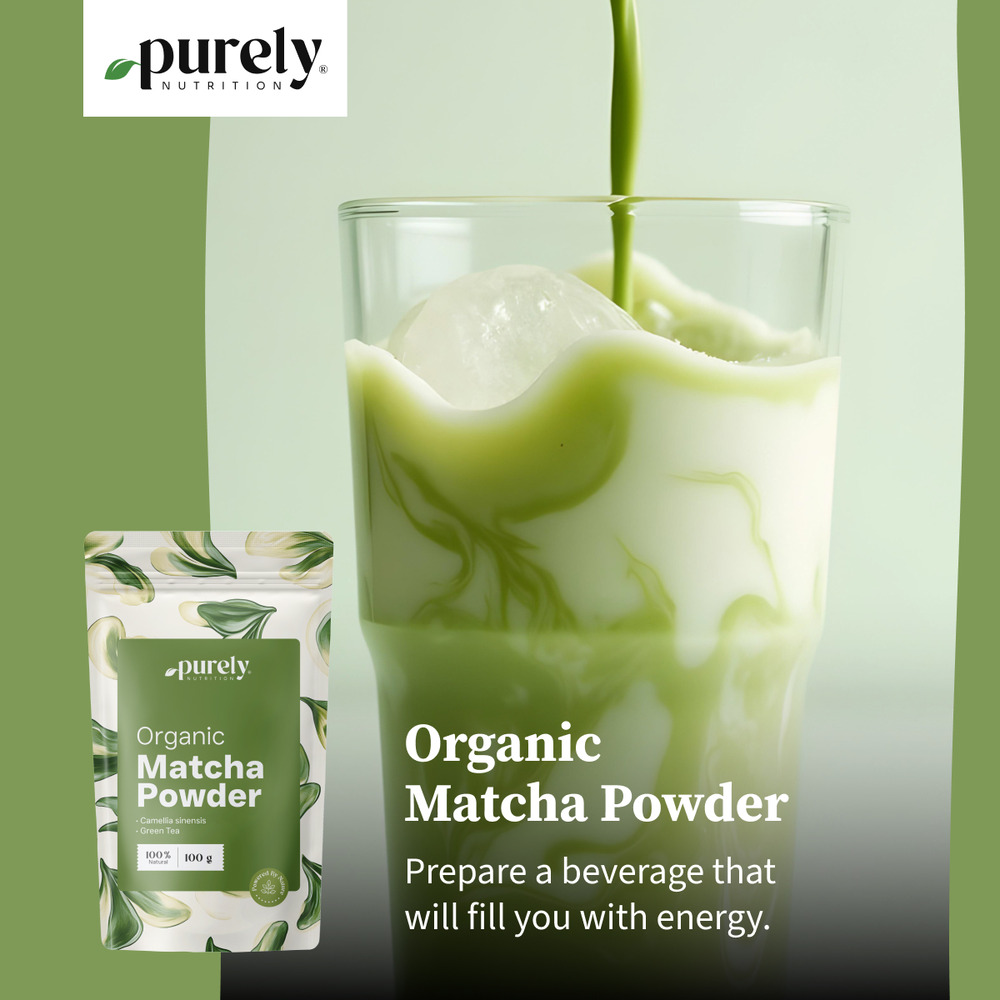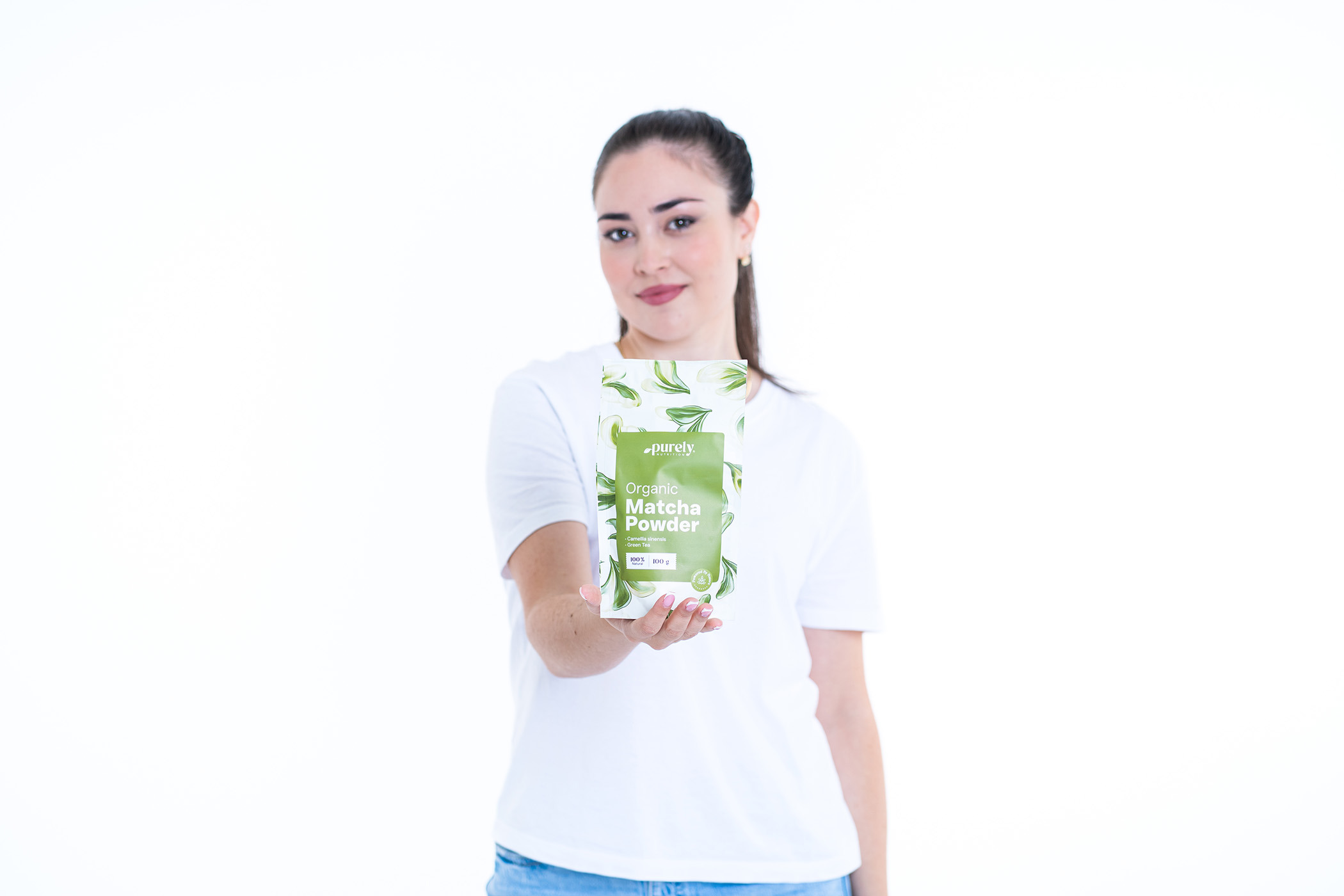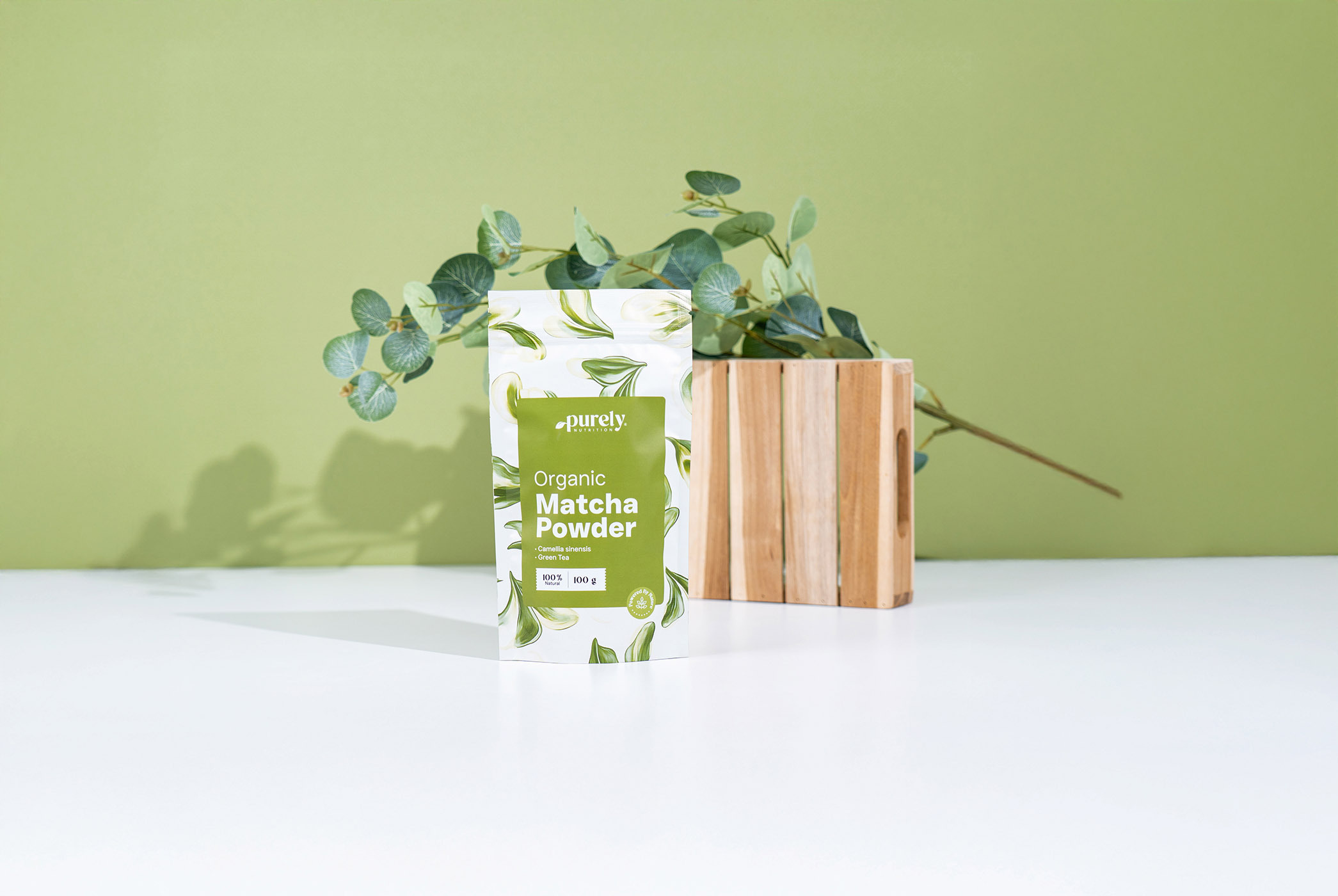
Organic Matcha Powder
- real green tea
- part of Japanese tradition
- preparation of beverages and baking sweets
- Product is in stock
- Valid at least until: 26/04/2027
- Shipping today!
Matcha is a special type of green tea that originates from Japan. Unlike regular green tea, matcha leaves are first shaded, then hand-picked, dried, and ground into a very fine powder using mills. The grinding process is slow to prevent the leaves from overheating and losing their taste or nutrients. This means that when consuming matcha, we actually ingest the entire tea leaf of the tea plant (Camellia sinensis) in powder form.
It has a distinctive green color and a pronounced, slightly bitter taste with an earthy undertone. Due to its preparation and use, it is quite different from other teas - not only in taste, but also in how we incorporate it into our daily lives. It has a stronger effect than regular green teas because it contains a more concentrated amount of nutrients that would not otherwise be introduced into the body with a regular tea infusion.
The first records of the use and consumption of matcha date back more than 800 years, when monks in China began to discover the exceptional properties of matcha tea. It is often associated with Japanese tea tradition, but increasingly also with modern habits. In recent years, it has become popular worldwide, both among tea lovers and those seeking more peaceful moments in the middle of the day.
Matcha is not just a drink - for many, it is a ritual, a moment of calm. In Japanese culture, it has a deep meaning and is often associated with zen, focus, and mindfulness of the moment.
It acts as a tool for relaxation because of the way we incorporate it into our day. When we indulge in it, we take a moment just for ourselves and enjoy a great drink. It is also an excellent substitute for your morning cup of coffee - compared to caffeine from coffee, it has a calming effect and maintains your focus throughout the day.
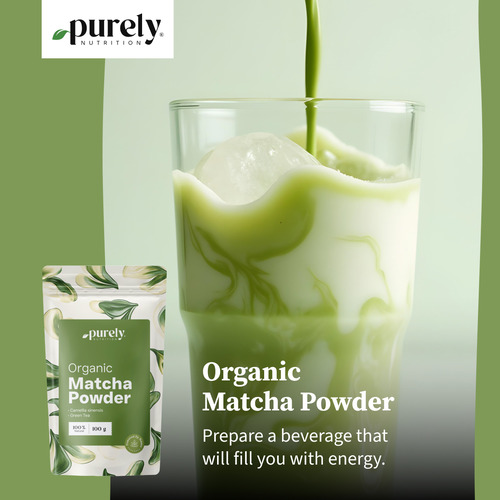
It can be prepared traditionally as a hot tea or latte, but it also goes well in smoothies. In the culinary world, matcha impresses with its color and taste. It can be used in desserts (cookies, cakes, or ice creams) as well as in savory dishes (as part of noodles or salad dressings).
| Average nutritional value | per 100 g |
|---|---|
| Energy value | 1301 kJ / 310 kcal |
| Fats | 6 g |
| - of which saturated fats | 0.98 g |
| Carbohydrates | 22.8 g |
| - of which sugars | 0 g |
| Dietary fiber | 38.5 g |
| Proteins | 22.7 g |
| Salt | 0 g |
Values may vary due to ingredients of natural origin.
Ingredients: green tea matcha (Camellia sinensis) leaf powder. From certified organic farming. Distribution controlled by SI-EKO-002. Agriculture outside the EU.
Net quantity: 100 g
Recommended use: Pour 1g of powder into 80ml of hot water (60-80°C) and stir. You can also add warm milk to the drink. You can froth it (soy milk froths best) and make yourself a matcha cappuccino or matcha latte.
Warning: Contains caffeine (approximately 3-3.5% per 100 g). Not recommended for children or pregnant women. Keep out of reach of children. Store in a cool, dry place, protected from direct sunlight.
Yes, matcha contains caffeine, but in combination with L-theanine, which means a more even release of energy without a rapid drop.
Yes, besides being great as a classic drink, it is also excellent for smoothies, pastries, energy balls, ice creams, and other desserts.
After opening, it is recommended to consume it within 1-2 months for optimal taste and effect. Always close it tightly and store it in a cool place, not in the refrigerator.
The color of Organic matcha is usually bright green, but shades can vary depending on the harvest, cultivation method, storage, and freshness of the powder. Variations are completely natural and do not affect the quality or taste of the product.